Every day, from the moment we wake up to the moment we fall asleep, we make countless decisions. Be it choosing a career path, deciding whether to end a relationship, what to eat for lunch, which route to take to work, or when to check our phone, we are not doing this all at random. But behind every decision are our psychological forces that guide, influence, and sometimes even control our choices.
Why do we do what we do, even when we know better? Why do we procrastinate, seek validation, or repeat habits we want to break? These are not questions of discipline alone. They are questions of motivation, instinct, and emotional wiring. In WHY: Explanation, Guide and Reference to Basic Human Motivations, Luke Mansfield dives into this hidden world of decision-making. He offers a refreshingly human perspective on how our minds really work.
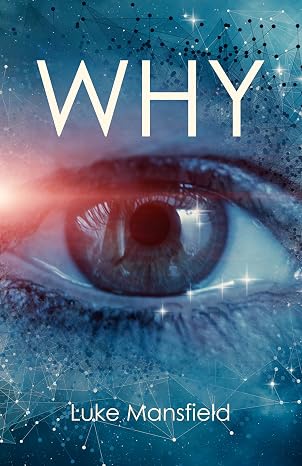
One of the key insights Mansfield explores is that most of our decisions are based on emotion. Our brains are constantly trying to keep us safe, not just physically but emotionally. That’s why we often make choices that prioritize comfort over progress, familiarity over risk. We choose what feels good in the moment, not always what’s good for the long run.
Let’s take a common example: checking your phone first thing in the morning. Rationally, we know it might lead to stress or distraction. But emotionally, it provides instant stimulation, a sense of connection, and sometimes even validation. Our brain rewards us with dopamine, the feel-good chemical. And so, a small decision becomes a reinforced habit.
This pattern repeats itself in countless ways. From avoiding difficult conversations to spending impulsively, many of our daily choices are driven by a desire to either feel good or avoid discomfort. Mansfield refers to this as instinctive or “Y” behavior. It’s not random—it’s rooted in how we’ve evolved to survive, fit in, and feel secure.
Another critical factor is social influence. Human beings are social creatures, and our decisions are often swayed by what others think, say, or expect. Whether we realize it or not, peer pressure doesn’t stop in high school. From how we dress to what we believe, our environment plays a huge role in shaping our actions.
But this doesn’t mean we’re powerless. In fact, understanding the psychology behind our decisions is the first step to gaining more control over them. Mansfield’s guide empowers readers—especially young adults—to recognize their patterns, understand their triggers, and begin making choices with greater awareness.
For instance, by pausing before reacting in anger or by asking yourself why you really want that new gadget, you shift from automatic to intentional behavior. You stop being driven by instincts and start using them wisely.
This is particularly important in a world where distractions are endless and attention is currency. Marketers, social platforms, and even news outlets compete to hijack our decision-making processes. If we don’t understand our minds, we become easy targets. But if we learn to question what drives us, we reclaim our autonomy and become more successful.
Ultimately, the decisions we make every day shape the lives we live. And those decisions are rooted in a deep psychological dance between fear and desire, instinct and reasoning. By learning how our minds work, we can begin to live not just more wisely, but more freely.
So the next time you find yourself at a crossroads, pause and reflect: “What’s really driving this choice?” In that moment of awareness, you unlock the greatest power we have as humans: the ability to choose differently.
For more information and insight, please read WHY. Order your copy on Amazon: https://www.amazon.com/dp/B0F33WJRRC/.